
Your Essential Guide to Living in Bangkok: What Expats Need to Know
May 27, 2025
234 views
I. Introduction: Why Bangkok Beckons
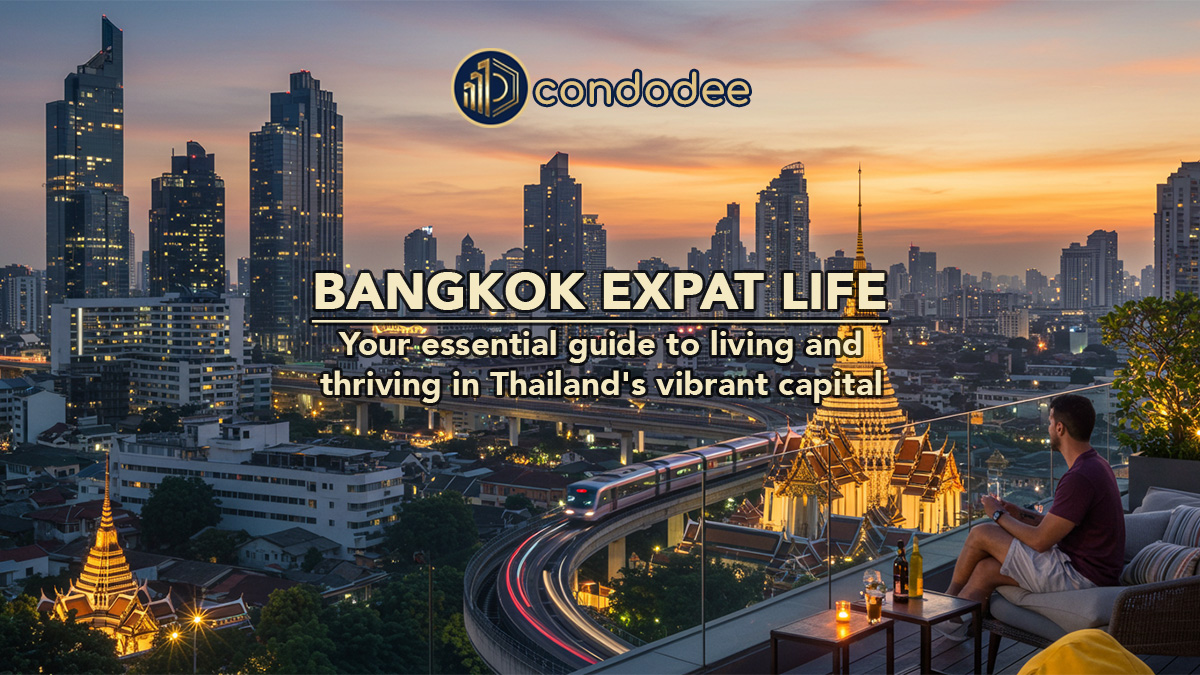 Discover the vibrant blend of modern convenience and rich culture that defines expat life in Bangkok
Bangkok, a sprawling metropolis home to approximately 12 million residents, stands as a vibrant hub of diverse nationalities and cultures, making it an incredibly popular destination for those seeking a new life abroad.[1, 2] Its undeniable appeal stems from a unique blend of modern urban conveniences, a rich cultural heritage, and a significantly lower cost of living when compared to many Western cities.[1, 2, 3, 4] This comprehensive guide delves into the essential practicalities and nuanced realities of making Bangkok a home, moving beyond a typical tourist's perspective to offer an in-depth look at expat life.
Bangkok is frequently lauded as one of the most gastronomically exciting cities on the planet, a true shopper's paradise, and a strategic travel hub for exploring the wider Southeast Asian region.[1, 4] However, for individuals contemplating a long-term stay, it is important to recognize that the experience of living in Thailand fundamentally differs from that of a holiday.[2] A vacation often presents a curated, idealized version of a destination, emphasizing leisure and novelty while shielding visitors from daily challenges such as bureaucratic processes, financial complexities, or the efforts required for long-term social and cultural integration. In contrast, residing in a foreign city exposes an individual to the realities of traffic congestion, visa applications, environmental concerns like pollution, and the continuous need to manage a sustainable budget and cultivate a supportive social network. This distinction underscores that while Bangkok offers exciting opportunities and a vibrant lifestyle, it also demands significant adaptation, resilience, and a pragmatic understanding of its inherent challenges. Approaching the detailed information in this report with a realistic and informed mindset is crucial for a successful relocation.
Discover the vibrant blend of modern convenience and rich culture that defines expat life in Bangkok
Bangkok, a sprawling metropolis home to approximately 12 million residents, stands as a vibrant hub of diverse nationalities and cultures, making it an incredibly popular destination for those seeking a new life abroad.[1, 2] Its undeniable appeal stems from a unique blend of modern urban conveniences, a rich cultural heritage, and a significantly lower cost of living when compared to many Western cities.[1, 2, 3, 4] This comprehensive guide delves into the essential practicalities and nuanced realities of making Bangkok a home, moving beyond a typical tourist's perspective to offer an in-depth look at expat life.
Bangkok is frequently lauded as one of the most gastronomically exciting cities on the planet, a true shopper's paradise, and a strategic travel hub for exploring the wider Southeast Asian region.[1, 4] However, for individuals contemplating a long-term stay, it is important to recognize that the experience of living in Thailand fundamentally differs from that of a holiday.[2] A vacation often presents a curated, idealized version of a destination, emphasizing leisure and novelty while shielding visitors from daily challenges such as bureaucratic processes, financial complexities, or the efforts required for long-term social and cultural integration. In contrast, residing in a foreign city exposes an individual to the realities of traffic congestion, visa applications, environmental concerns like pollution, and the continuous need to manage a sustainable budget and cultivate a supportive social network. This distinction underscores that while Bangkok offers exciting opportunities and a vibrant lifestyle, it also demands significant adaptation, resilience, and a pragmatic understanding of its inherent challenges. Approaching the detailed information in this report with a realistic and informed mindset is crucial for a successful relocation.
II. Navigating the Practicalities of Life in Bangkok
A. Accommodation: Finding Your Ideal Home
 Discover your ideal modern home with stunning city views and amenities in Bangkok.
Expats primarily opt for renting in Bangkok, largely due to the complexities and restrictions associated with foreign ownership of property in Thailand.[2] The rental market offers a diverse array of options to suit various needs and budgets. Modern condominiums are a particularly popular choice among expats, valued for their convenience, security, and access to desirable amenities such as swimming pools, fitness centers, and often integrated coworking spaces.[2, 5, 6] Serviced apartments are also widely available and are frequently favored by those seeking shorter-term stays or a hotel-like experience with added residential comforts.[2, 6] For families, suburban townhouses present another viable option, often strategically located near reputable international schools.[2] A significant advantage for new arrivals is that most rental properties in Bangkok come fully furnished, simplifying the moving process.[2]
When considering accommodation, it is important to understand the nuances of the real estate market. While the predominant mode of accommodation for foreign residents is renting due to legal restrictions on land ownership [2], the perceived affordability of rentals can be conditional. For instance, claims of very low monthly rents, such as $500 for a condo, are often contingent on signing a one-year lease.[5] This implies that for initial exploratory visits—perhaps utilizing the free 60-day visa [7]—or for those desiring greater flexibility, daily or monthly accommodation costs will likely be higher. Furthermore, the market includes distinct luxury properties, including high-end villas and penthouses, which cater to a more exclusive lifestyle.[4, 6] These can command monthly rents ranging from THB 30,000 to THB 100,000.[6] This demonstrates that "affordability" in Bangkok's housing market is highly relative and segmented, varying significantly based on the desired standard of living and the duration of the lease.
The most sought-after residential locations for expats are typically situated along the efficient BTS Skytrain and MRT subway lines, particularly within the bustling business districts of Sathorn and Sukhumvit.[1, 6] Bangkok is notorious for its heavy and often chaotic traffic congestion.[1, 3, 4, 5] This daily reality transforms proximity to the efficient BTS Skytrain and MRT subway systems from a mere convenience into a critical factor for maintaining a reasonable quality of life. Living near these public transport lines significantly reduces commute times, alleviates daily stress, and makes navigating the sprawling city far more manageable. The substantial price difference between central, well-connected areas and those further out—for example, a small one-bedroom apartment in the city center costing around US$575 per month compared to approximately US$280 outside the center [4], directly reflects the premium placed on this accessibility. The explicit mention of "poor walkability" in Bangkok [5] further reinforces the necessity of reliable transport options, making public transit or ride-hailing services essential. For prospective residents, choosing accommodation is not solely about the aesthetics or amenities of the apartment itself, but fundamentally about its strategic location relative to Bangkok's public transportation network. This choice directly impacts their daily commuting experience, ease of access to work, amenities, and entertainment, and ultimately, their overall satisfaction with living in the city. The higher cost associated with central, well-connected locations is, in essence, an investment in mitigating the challenges of urban congestion and enhancing personal mobility.
Beyond these central areas, several other neighborhoods are highly recommended for their unique characteristics and expat appeal:
Discover your ideal modern home with stunning city views and amenities in Bangkok.
Expats primarily opt for renting in Bangkok, largely due to the complexities and restrictions associated with foreign ownership of property in Thailand.[2] The rental market offers a diverse array of options to suit various needs and budgets. Modern condominiums are a particularly popular choice among expats, valued for their convenience, security, and access to desirable amenities such as swimming pools, fitness centers, and often integrated coworking spaces.[2, 5, 6] Serviced apartments are also widely available and are frequently favored by those seeking shorter-term stays or a hotel-like experience with added residential comforts.[2, 6] For families, suburban townhouses present another viable option, often strategically located near reputable international schools.[2] A significant advantage for new arrivals is that most rental properties in Bangkok come fully furnished, simplifying the moving process.[2]
When considering accommodation, it is important to understand the nuances of the real estate market. While the predominant mode of accommodation for foreign residents is renting due to legal restrictions on land ownership [2], the perceived affordability of rentals can be conditional. For instance, claims of very low monthly rents, such as $500 for a condo, are often contingent on signing a one-year lease.[5] This implies that for initial exploratory visits—perhaps utilizing the free 60-day visa [7]—or for those desiring greater flexibility, daily or monthly accommodation costs will likely be higher. Furthermore, the market includes distinct luxury properties, including high-end villas and penthouses, which cater to a more exclusive lifestyle.[4, 6] These can command monthly rents ranging from THB 30,000 to THB 100,000.[6] This demonstrates that "affordability" in Bangkok's housing market is highly relative and segmented, varying significantly based on the desired standard of living and the duration of the lease.
The most sought-after residential locations for expats are typically situated along the efficient BTS Skytrain and MRT subway lines, particularly within the bustling business districts of Sathorn and Sukhumvit.[1, 6] Bangkok is notorious for its heavy and often chaotic traffic congestion.[1, 3, 4, 5] This daily reality transforms proximity to the efficient BTS Skytrain and MRT subway systems from a mere convenience into a critical factor for maintaining a reasonable quality of life. Living near these public transport lines significantly reduces commute times, alleviates daily stress, and makes navigating the sprawling city far more manageable. The substantial price difference between central, well-connected areas and those further out—for example, a small one-bedroom apartment in the city center costing around US$575 per month compared to approximately US$280 outside the center [4], directly reflects the premium placed on this accessibility. The explicit mention of "poor walkability" in Bangkok [5] further reinforces the necessity of reliable transport options, making public transit or ride-hailing services essential. For prospective residents, choosing accommodation is not solely about the aesthetics or amenities of the apartment itself, but fundamentally about its strategic location relative to Bangkok's public transportation network. This choice directly impacts their daily commuting experience, ease of access to work, amenities, and entertainment, and ultimately, their overall satisfaction with living in the city. The higher cost associated with central, well-connected locations is, in essence, an investment in mitigating the challenges of urban congestion and enhancing personal mobility.
Beyond these central areas, several other neighborhoods are highly recommended for their unique characteristics and expat appeal:
- Phrom Phong: Renowned for its diverse, lively, and cosmopolitan atmosphere, attracting a substantial Western expatriate community. This district boasts an impressive mix of upscale shopping malls, trendy cafes, and multicultural dining options, further enhanced by a notable Japanese cultural presence.[8]
- Thong Lo: Characterized by its vibrant and multicultural environment, drawing individuals from various cultures and nationalities. It is especially popular among the urban and creative communities, both local and expatriate, fostering a truly diverse and international atmosphere with a wide range of international restaurants and cultural events.[8]
- Ekkamai: Offers a distinctly laid-back and trendy vibe, showcasing a unique blend of traditional Thai charm intertwined with modern establishments. It is celebrated for its dynamic dining scene, artistic atmosphere, and its ability to balance residential tranquility with urban convenience.[8]
- Ratchaprasong Area: A bustling and upscale shopping district featuring luxury hotels, high-end malls, and the iconic Erawan Shrine, making it an ideal choice for those who thrive in a lively, upscale urban environment with abundant entertainment.[8]
- Rama 9 and Huay Kwang: Stands out for its vibrant Chinese community and rich cultural events, offering a unique and immersive multicultural experience with traditional markets and authentic cuisine.[8]
- Silom: Also frequently recommended for its modern amenities and overall convenience, particularly for professionals.[6]
| Area Name | Key Characteristics | Suitability | Primary Transport Links |
|---|---|---|---|
| Ratchaprasong | Vibrant shopping district, luxury hotels, upscale malls, Erawan Shrine, bustling commercial center. | Ideal for those who enjoy a lively, upscale urban environment with abundant shopping and entertainment options. | BTS Skytrain (Siam, Chit Lom, Ratchadamri) |
| Phrom Phong | Diverse, lively, cosmopolitan atmosphere, large Western expat community, upscale malls, trendy cafes, multicultural dining, notable Japanese cultural presence. | Attractive choice for those seeking a vibrant urban experience with an international flair; well-suited for expatriates. | BTS Skytrain (Phrom Phong) |
| Thong Lo | Vibrant and multicultural environment, popular among urban and creative communities, diverse international restaurants, and cultural events. | Best choice for individuals prioritizing diversity and multiculturalism, seeking a global and inclusive living experience. | BTS Skytrain (Thong Lo) |
| Ekkamai | Laid-back and trendy vibe, blend of traditional Thai charm and modern establishments, vibrant dining scene, artistic atmosphere, boutique shops. | Attractive for those seeking a vibrant and eclectic neighborhood that combines a relaxed atmosphere with modern amenities. | BTS Skytrain (Ekkamai), Eastern Bus Terminal |
| Huay Kwang | Vibrant Chinese community, rich cultural events, traditional markets, authentic cuisine, strong Chinese influence. | Fascinating choice for those seeking an enriching and multicultural lifestyle, particularly interested in Chinese culture. | MRT (Huay Kwang Station, Phra Ram 9 Station) |
| Sukhumvit | Major business district, extensive range of serviced apartments and condos, popular with expats, wide array of dining and entertainment. | Highly convenient for professionals and individuals seeking modern amenities and easy access to city life. | BTS Skytrain (Sukhumvit Line) |
| Sathorn | Major business district, serviced apartments, luxury accommodations, close to the financial center and embassies. | Ideal for professionals and families seeking convenience, modern living, and proximity to business hubs. | BTS Skytrain (Sathorn Line), MRT (Silom, Lumphini) |
| Silom | Bustling financial district, modern amenities, diverse dining, nightlife, close to Lumpini Park. | Suitable for professionals and those who appreciate a dynamic urban environment with good connectivity. | BTS Skytrain (Sala Daeng), MRT (Silom) |
B. Cost of Living: Budgeting for Your Bangkok Lifestyle
 Navigating Bangkok's cost of living means balancing affordable local delights with occasional luxury.
Bangkok is widely recognized as a relatively affordable country to live in, especially when its costs are benchmarked against those in many Western urban centers.[2, 3, 4, 5] This affordability can often translate into a higher quality of life for expats; for instance, the monthly rate of serviced apartments might allow for renting a larger apartment than initially planned, or enable significant savings that can be allocated towards lifestyle expenses.[1]
However, this general statement of "low cost of living" carries a critical nuance that challenges a blanket interpretation. While basic necessities, local food, and public transport are indeed very affordable, this affordability is largely contingent on a resident's willingness and ability to adapt to a local lifestyle.[4] If an individual seeks to replicate Western consumption patterns—regularly purchasing imported groceries, dining exclusively at high-end international restaurants, or residing in luxury condominiums—their expenses will escalate significantly.[3, 4, 6] In some cases, the cost of these specific items or services can even surpass what one might pay in their home country, thereby negating a substantial portion of the perceived savings. This creates a clear dichotomy: Bangkok is genuinely affordable if one integrates into local consumption habits, but considerably less so if one maintains a predominantly Western lifestyle. This understanding is paramount for managing expectations among prospective residents, as it highlights that "affordability" is not a universal constant but rather a variable directly influenced by personal lifestyle choices.
Accommodation will likely represent the largest single expense, though even housing costs are considered lower than in many other popular expat destinations.[2] Food costs are notably reasonable, whether purchasing groceries for home cooking or dining out frequently, with street food offering particularly economical options.[2, 4, 5] Clothing and transportation expenses are also typically low.[2] Basic utilities are generally affordable.[4] A critical point to note, however, is that "Western" imported goods, such as specialty coffee, wine, and certain packaged foods, can cost significantly more than in Western countries, sometimes even exceeding prices in one's home country.[3, 4] Furthermore, while general healthcare can be affordable, obtaining quality medical care for emergencies or specialized procedures without adequate insurance can become a very costly endeavor.[3] Lastly, while offering high-quality education, international school fees represent a substantial annual expense for families.[2, 5]
The key to maximizing affordability in Bangkok lies in embracing a more local lifestyle. This includes frequenting street food vendors and local markets for meals, which can be incredibly cheap; for example, a typical dish can cost around $1 USD, which might be priced at $8 USD in a sit-down restaurant.[4, 5] An inexpensive restaurant meal averages approximately US$3.[4] For a couple, a budget of around US$600 per month for groceries and eating out frequently is achievable.[4] Conversely, indulging in fine dining at Bangkok's numerous Michelin-starred restaurants or opting for luxury apartments and imported goods will naturally incur premium pricing, significantly increasing overall expenses.[4, 6]
For a detailed breakdown of living costs, the following table provides average monthly expenses in Thai Baht (฿) with typical ranges and approximate USD equivalents where available:
Detailed Monthly Cost of Living Breakdown in Bangkok (Approximate Averages and Ranges)
Navigating Bangkok's cost of living means balancing affordable local delights with occasional luxury.
Bangkok is widely recognized as a relatively affordable country to live in, especially when its costs are benchmarked against those in many Western urban centers.[2, 3, 4, 5] This affordability can often translate into a higher quality of life for expats; for instance, the monthly rate of serviced apartments might allow for renting a larger apartment than initially planned, or enable significant savings that can be allocated towards lifestyle expenses.[1]
However, this general statement of "low cost of living" carries a critical nuance that challenges a blanket interpretation. While basic necessities, local food, and public transport are indeed very affordable, this affordability is largely contingent on a resident's willingness and ability to adapt to a local lifestyle.[4] If an individual seeks to replicate Western consumption patterns—regularly purchasing imported groceries, dining exclusively at high-end international restaurants, or residing in luxury condominiums—their expenses will escalate significantly.[3, 4, 6] In some cases, the cost of these specific items or services can even surpass what one might pay in their home country, thereby negating a substantial portion of the perceived savings. This creates a clear dichotomy: Bangkok is genuinely affordable if one integrates into local consumption habits, but considerably less so if one maintains a predominantly Western lifestyle. This understanding is paramount for managing expectations among prospective residents, as it highlights that "affordability" is not a universal constant but rather a variable directly influenced by personal lifestyle choices.
Accommodation will likely represent the largest single expense, though even housing costs are considered lower than in many other popular expat destinations.[2] Food costs are notably reasonable, whether purchasing groceries for home cooking or dining out frequently, with street food offering particularly economical options.[2, 4, 5] Clothing and transportation expenses are also typically low.[2] Basic utilities are generally affordable.[4] A critical point to note, however, is that "Western" imported goods, such as specialty coffee, wine, and certain packaged foods, can cost significantly more than in Western countries, sometimes even exceeding prices in one's home country.[3, 4] Furthermore, while general healthcare can be affordable, obtaining quality medical care for emergencies or specialized procedures without adequate insurance can become a very costly endeavor.[3] Lastly, while offering high-quality education, international school fees represent a substantial annual expense for families.[2, 5]
The key to maximizing affordability in Bangkok lies in embracing a more local lifestyle. This includes frequenting street food vendors and local markets for meals, which can be incredibly cheap; for example, a typical dish can cost around $1 USD, which might be priced at $8 USD in a sit-down restaurant.[4, 5] An inexpensive restaurant meal averages approximately US$3.[4] For a couple, a budget of around US$600 per month for groceries and eating out frequently is achievable.[4] Conversely, indulging in fine dining at Bangkok's numerous Michelin-starred restaurants or opting for luxury apartments and imported goods will naturally incur premium pricing, significantly increasing overall expenses.[4, 6]
For a detailed breakdown of living costs, the following table provides average monthly expenses in Thai Baht (฿) with typical ranges and approximate USD equivalents where available:
Detailed Monthly Cost of Living Breakdown in Bangkok (Approximate Averages and Ranges)
| Category | Specific Item | Average Cost (฿) | Typical Range (฿) | Approx. USD Equivalent |
|---|---|---|---|---|
| Restaurants | Meal, Inexpensive Restaurant | 100.00 | 60.00-250.00 | $3.00 |
| Meal for 2, Mid-range Restaurant, Three-course | 1,000.00 | 500.00-2,500.00 | $30.00 | |
| McMeal at McDonalds | 200.00 | 150.00-250.00 | $6.00 | |
| Domestic Beer (1 pint draught) | 85.00 | 52.00-150.00 | $2.38 | |
| Cappuccino (regular) | 90.42 | 40.00-180.00 | $2.42 | |
| Markets | Milk (regular), (1 gallon) | 258.36 | 170.34-378.54 | - |
| Loaf of Fresh White Bread (1 lb) | 51.03 | 27.22-108.86 | - | |
| Rice (white), (1 lb) | 23.41 | 13.61-40.82 | - | |
| Eggs (regular) (12) | 79.18 | 52.00-120.00 | - | |
| Chicken Fillets (1 lb) | 47.80 | 31.75-90.72 | - | |
| Water (1.5-liter bottle) | 17.45 | 10.00-30.00 | - | |
| Transportation | One-way Ticket (Local Transport) | 41.46 | 30.00-65.00 | - |
| Monthly Pass (Regular Price) | 1,300.00 | 800.00-3,000.00 | - | |
| Taxi Start (Normal Tariff) | 35.00 | 35.00-40.00 | - | |
| Taxi 1 mile (Normal Tariff) | 68.40 | 56.33-80.47 | - | |
| Utilities (Monthly) | Basic (Electricity, Water, Garbage) for 915 sq ft Apt | 3,078.49 | 1,700.00-6,800.00 | - |
| Mobile Phone Monthly Plan (10GB+ Data) | 458.64 | 250.00-700.00 | $5.27 | |
| Internet (60 Mbps or More) | 530.02 | 400.00-700.00 | - | |
| Sports And Leisure | Fitness Club, Monthly Fee for 1 Adult | 1,977.01 | 1,000.00-3,200.00 | $60.00 |
| Cinema, International Release, 1 Seat | 250.00 | 200.00-350.00 | - | |
| Childcare | Preschool (or Kindergarten), Monthly | 24,222.61 | 10,000.00-39,320.20 | - |
| International Primary School, Yearly | 460,574.00 | 300,000.00-800,000.00 | $14,020.00 | |
| Rent per month | Apartment (1 bedroom) in City Centre | 20,696.97 | 15,000.00-35,000.00 | $658.00 |
| Apartment (1 bedroom) Outside of Centre | 10,745.00 | 8,000.00-16,000.00 | $300.00 | |
| Apartment (3 bedrooms) in City Centre | 59,376.52 | 40,000.00-80,000.00 | $2,000.00 | |
| Apartment (3 bedrooms) Outside of Centre | 30,842.36 | 20,000.00-55,000.00 | $800.00 | |
| Salaries | Average Monthly Net Salary (After Tax) | 23,317.38 | - | - |
C. Transportation: Mastering the City's Pulse
 Mastering Bangkok's pulse: The efficient BTS Skytrain navigates the city's vibrant, bustling streets.
Bangkok's notorious heavy traffic, particularly during peak rush hours, presents a significant daily challenge for residents.[1, 3, 4] However, the city has proactively developed highly efficient alternative forms of public transport systems to mitigate this issue. The BTS Skytrain and MRT subway systems are modern, extensive rail networks that effectively connect the city's key business districts, such as Sathorn and Sukhumvit, and provide convenient access to a vast array of other areas, making commuting surprisingly manageable despite the congestion.[1, 6] For new arrivals, familiarizing oneself with these public transport systems and acquiring a Rabbit Card for seamless and convenient travel is highly recommended.[6]
Beyond the public rail networks, Bangkok offers a diverse array of other transportation options. These include an extensive bus network, readily available taxis [2], agile motorbike taxis [5], and scenic water taxis that operate along the city's river and canals.[1] The iconic three-wheeled tuk-tuks are also available, though it is often necessary to haggle for a fair price.[2] For ride-hailing services, Grab is noted as the most popular and efficient taxi app in the city.[5]
Despite the robust public transport infrastructure, traffic congestion remains a pervasive issue, frequently leading to long commutes and unpredictable travel delays.[4] Bangkok's rapid urbanization and high population density inherently create significant challenges, such as pervasive traffic congestion, overcrowding, and environmental issues like air pollution.[3, 4, 5] These factors directly impact daily life, potentially making commutes stressful, outdoor activities less pleasant, and overall urban navigation a test of patience. The city's proactive investment in and development of efficient public transport systems (BTS, MRT) serve as a critical mitigation strategy. This creates a situation where the city is simultaneously difficult to navigate due to its chaos and relatively easy due to its efficient rail network. The widespread reliance on ride-hailing apps like Grab [5] further illustrates a practical adaptation by residents to these challenging conditions, offering a comfortable alternative to walking or battling traffic in a personal vehicle. Furthermore, walkability in many parts of the city is generally poor due to crowded sidewalks, uneven surfaces, and intense heat and humidity, prompting many residents to rely heavily on ride-hailing services like Grab for even short distances.[5] This reinforces the strategic importance of choosing accommodation near BTS/MRT stations, not merely as a convenience but as a fundamental factor for maintaining a reasonable quality of life and minimizing daily frustrations associated with urban mobility.
Mastering Bangkok's pulse: The efficient BTS Skytrain navigates the city's vibrant, bustling streets.
Bangkok's notorious heavy traffic, particularly during peak rush hours, presents a significant daily challenge for residents.[1, 3, 4] However, the city has proactively developed highly efficient alternative forms of public transport systems to mitigate this issue. The BTS Skytrain and MRT subway systems are modern, extensive rail networks that effectively connect the city's key business districts, such as Sathorn and Sukhumvit, and provide convenient access to a vast array of other areas, making commuting surprisingly manageable despite the congestion.[1, 6] For new arrivals, familiarizing oneself with these public transport systems and acquiring a Rabbit Card for seamless and convenient travel is highly recommended.[6]
Beyond the public rail networks, Bangkok offers a diverse array of other transportation options. These include an extensive bus network, readily available taxis [2], agile motorbike taxis [5], and scenic water taxis that operate along the city's river and canals.[1] The iconic three-wheeled tuk-tuks are also available, though it is often necessary to haggle for a fair price.[2] For ride-hailing services, Grab is noted as the most popular and efficient taxi app in the city.[5]
Despite the robust public transport infrastructure, traffic congestion remains a pervasive issue, frequently leading to long commutes and unpredictable travel delays.[4] Bangkok's rapid urbanization and high population density inherently create significant challenges, such as pervasive traffic congestion, overcrowding, and environmental issues like air pollution.[3, 4, 5] These factors directly impact daily life, potentially making commutes stressful, outdoor activities less pleasant, and overall urban navigation a test of patience. The city's proactive investment in and development of efficient public transport systems (BTS, MRT) serve as a critical mitigation strategy. This creates a situation where the city is simultaneously difficult to navigate due to its chaos and relatively easy due to its efficient rail network. The widespread reliance on ride-hailing apps like Grab [5] further illustrates a practical adaptation by residents to these challenging conditions, offering a comfortable alternative to walking or battling traffic in a personal vehicle. Furthermore, walkability in many parts of the city is generally poor due to crowded sidewalks, uneven surfaces, and intense heat and humidity, prompting many residents to rely heavily on ride-hailing services like Grab for even short distances.[5] This reinforces the strategic importance of choosing accommodation near BTS/MRT stations, not merely as a convenience but as a fundamental factor for maintaining a reasonable quality of life and minimizing daily frustrations associated with urban mobility.
D. Healthcare & Education: Essential Services for Expats
 Ensuring peace of mind: High-quality healthcare and international education are key services for expat families in Bangkok.
For medical needs, many expats in Thailand choose to utilize private medical care.[2] General medical care offered by private providers is widely regarded as good and relatively affordable [2, 4], with typical private doctor consultations ranging from US$25 to US$90.[4] Bangkok is home to a wide array of high-quality medical facilities and international hospitals, such as the Phyathai Hospital Group, which specifically caters to both Thai and international patients, including expatriates.[6, 10] Additionally, pharmacies are widely available throughout the city, easily identifiable by a white sign emblazoned with a green cross.[2]
It is crucial to understand that while routine care may be affordable, emergency procedures and specialized treatments can be significantly pricey.[2] Furthermore, hospitals in Thailand typically require a guarantee of payment before initiating treatment.[2, 3] This apparent contradiction between "affordable" and "costly" healthcare is a critical nuance. The affordability primarily applies to routine medical visits, minor ailments, or general check-ups at private clinics, which are indeed accessible. However, the moment an individual faces a serious illness, an unexpected accident, or requires complex, specialized medical procedures, the costs can escalate dramatically and become prohibitive, especially in the absence of robust health insurance. The "guarantee of payment" policy means that without immediate upfront payment or verifiable proof of adequate insurance coverage, critical medical treatment might be delayed or even denied in emergency situations. This policy, combined with the acknowledged shortcomings of the public healthcare system [3], effectively pushes expats towards the private sector, where insurance becomes an indispensable financial safeguard. Therefore, securing adequate health insurance is not merely advisable but paramount for expats.[2, 3, 4, 6] Expats should proactively inquire if healthcare coverage is included in their employment package.[2] It is also highly recommended to ensure all relevant vaccinations are up to date prior to moving to Thailand.[2]
When it comes to education for children, while public schools in Thailand offer 12 years of basic education (with 9 years being mandatory), the vast majority of expats opt to send their children to international schools.[2] These international schools are generally considered to offer good quality education [3] and are of high quality compared to Western standards.[4] However, it is important to note that the fees for these institutions can be substantial, with the yearly cost for an international primary school averaging around THB 460,574 (approximately US$14,020).[5, 9] As part of the curriculum, pupils in international schools often study Thai language and culture.[2] For those considering alternative education, homeschooling is legal in Thailand, but it requires an application to the government.[2]
Ensuring peace of mind: High-quality healthcare and international education are key services for expat families in Bangkok.
For medical needs, many expats in Thailand choose to utilize private medical care.[2] General medical care offered by private providers is widely regarded as good and relatively affordable [2, 4], with typical private doctor consultations ranging from US$25 to US$90.[4] Bangkok is home to a wide array of high-quality medical facilities and international hospitals, such as the Phyathai Hospital Group, which specifically caters to both Thai and international patients, including expatriates.[6, 10] Additionally, pharmacies are widely available throughout the city, easily identifiable by a white sign emblazoned with a green cross.[2]
It is crucial to understand that while routine care may be affordable, emergency procedures and specialized treatments can be significantly pricey.[2] Furthermore, hospitals in Thailand typically require a guarantee of payment before initiating treatment.[2, 3] This apparent contradiction between "affordable" and "costly" healthcare is a critical nuance. The affordability primarily applies to routine medical visits, minor ailments, or general check-ups at private clinics, which are indeed accessible. However, the moment an individual faces a serious illness, an unexpected accident, or requires complex, specialized medical procedures, the costs can escalate dramatically and become prohibitive, especially in the absence of robust health insurance. The "guarantee of payment" policy means that without immediate upfront payment or verifiable proof of adequate insurance coverage, critical medical treatment might be delayed or even denied in emergency situations. This policy, combined with the acknowledged shortcomings of the public healthcare system [3], effectively pushes expats towards the private sector, where insurance becomes an indispensable financial safeguard. Therefore, securing adequate health insurance is not merely advisable but paramount for expats.[2, 3, 4, 6] Expats should proactively inquire if healthcare coverage is included in their employment package.[2] It is also highly recommended to ensure all relevant vaccinations are up to date prior to moving to Thailand.[2]
When it comes to education for children, while public schools in Thailand offer 12 years of basic education (with 9 years being mandatory), the vast majority of expats opt to send their children to international schools.[2] These international schools are generally considered to offer good quality education [3] and are of high quality compared to Western standards.[4] However, it is important to note that the fees for these institutions can be substantial, with the yearly cost for an international primary school averaging around THB 460,574 (approximately US$14,020).[5, 9] As part of the curriculum, pupils in international schools often study Thai language and culture.[2] For those considering alternative education, homeschooling is legal in Thailand, but it requires an application to the government.[2]
III. Embracing the Bangkok Lifestyle: Culture, Cuisine, and Community
A. Cultural Immersion & Language: Connecting with Thai Life
More Real Estate News

Mar 17, 2026
Relocating to Bangkok from Dubai: Property Guide for High-Wealth Expats
Bangkok luxury skyline near Lumphini Park — relocation and property investment guide for Dubai-based expatriates. Dubai...
Continue reading >>

Jan 8, 2026
Series 1: Global Reality Check — How Expensive Is the World Really?
Bangkok viewed in global context, comparing residential property prices across major world cities. Let’s fix the bigge...
Continue reading >>

Jan 2, 2026
Why and How to Choose a Real Estate Broker in Bangkok (Foreign Buyer Edition)
Watch the full podcast episode:
? Prefer audio only? Listen to the full episode on Spotify:
Spotify
Many foreigners...
Continue reading >>

Dec 25, 2025
Why Condo Prices Differ So Much in the Same Location in Bangkok
Why condo prices differ in the same location | ทำไมราคาคอนโดในทำเลเดียวกันถึงต่างกัน
Condos in the same...
Continue reading >>

Dec 13, 2025
Elections, Border Tensions, and Bangkok Property in 2026 — Understanding the Real Impact on the Market
Bangkok remains a stable and resilient real estate market despite elections and regional tensions | กรุงเทพยังค...
Continue reading >>

Sep 18, 2025
Best Luxury Houses for Sale in Bangkok’s Northern Corridor 2025 | บ้านหรูสำหรับขายในโซนเหนือของกรุงเทพฯ 2025
Luxury family homes in Bangkok’s northern luxury axis – Ramintra, Kaset-Nawamin, Watcharapol, Ekkamai-Ramintra | บ้านหร...
Continue reading >>

Sep 8, 2025
Bangkok vs. New York, Singapore & Hong Kong: The Real Cost of Owning Property in 2025
Bangkok wins on total cost of ownership; NYC/SG/HK carry higher taxes and fees. | กรุงเทพฯ คุ้มกว่าด้านต้นทุนรวม ขณะที...
Continue reading >>
Aug 13, 2025
The Hidden Opportunity: Why 2025 is a Prime Moment for Bangkok Condo Investment
The Bangkok skyline in 2025 illustrates the immense opportunity in luxury property, a key focus for any strategic Bangk...
Continue reading >>
Frequently Asked Questions (FAQ)
What does it mean to buy a condo with a tenant?
Buying a condo “with tenant” means the property is already rented out when you purchase it. This provides immediate rental
income from day one. After the current lease ends, you can renew with the tenant, find a new one, or move in yourself. It’s
ideal for investors seeking instant yield without the hassle of sourcing tenants. Explore listings of condos for sale with
tenants and buy-to-let investment condos to start earning passive income. Contact CondoDee for a free consultation:
win@condodee.com
·
+66 2 038 5897
· WhatsApp:
+66 62
189 9659
· LINE:
@realty
How can I generate rental income from my condo?
Choose high-demand locations near BTS/MRT, universities, hospitals, or offices. Keep the unit well-furnished and maintained.
Decide between short-term or long-term rentals based on your goals. Work with a local agency like CondoDee to market, screen
tenants, and handle paperwork. See curated lists: Buy-to-let condos in Bangkok; Condos under 10M THB. Contact:
win@condodee.com
·
+66 2 038 5897
· WhatsApp:
+66 62
189 9659
· LINE:
@realty
Can foreigners buy a condo in Bangkok?
Yes. Foreigners can own units under the foreign freehold quota (up to 49% of a building’s sellable area). Funds must be
remitted in foreign currency with proper documentation, and the unit must be within the available foreign quota at purchase.
CondoDee helps verify quota, handle documentation, and guide transfers. Contact:
win@condodee.com
·
+66 2 038 5897
· WhatsApp:
+66 62
189 9659
· LINE:
@realty