
Buying a Resale Condo in Bangkok: The Checklist Before the Transfer (2026)

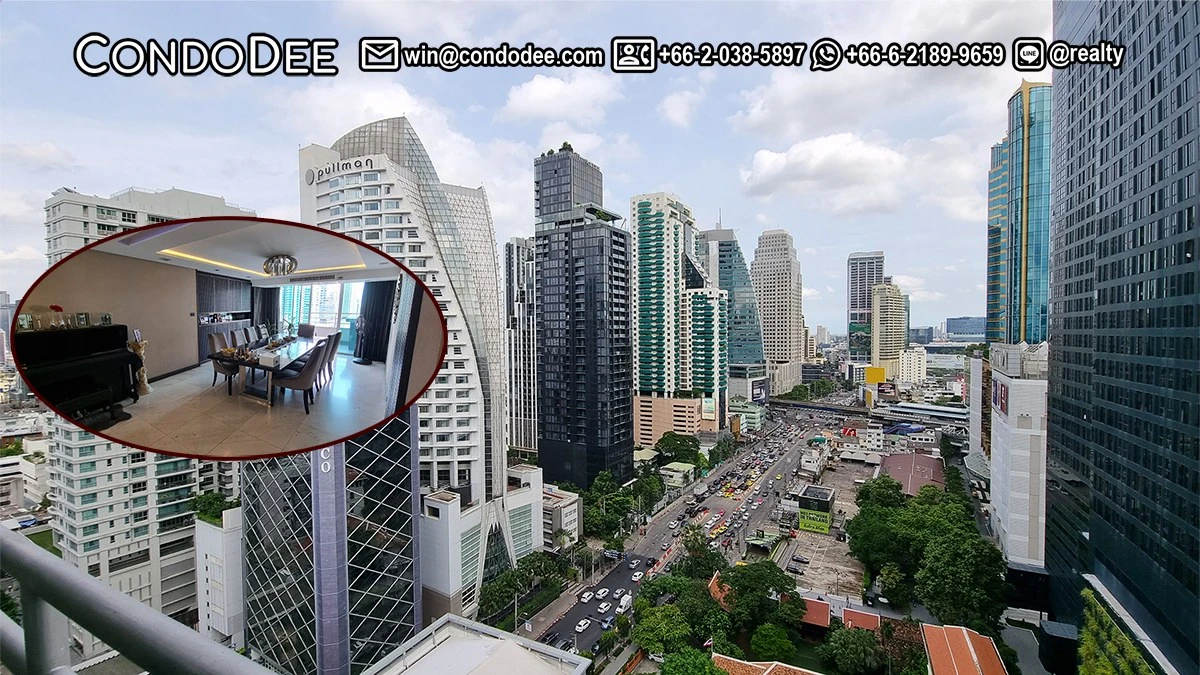
Buying a resale condo in Bangkok can be a good way to get more space for your money. Resale units are usually larger than new ones and you can see the real room, real view and real neighbours before paying. But buying a resale unit comes with a lot of checks. Unlike when you buy a new unit directly from a developer, you don't have a developer doing all these checks for you. This is the checklist we go through before every transfer of ownership on a resale unit. This is our standard list as of October 2026.
What should you check on the title deed?
It is important that you check the title deed of the unit you are buying. You can get this from the seller and look at the front and back of it. The name on the title deed must match the seller's ID card or passport.
When looking at the back of the title deed, you will see what is registered on the unit. This includes any mortgages with banks or leases. A mortgage is normal and the seller's bank releases it on transfer day. But if there are other things listed, such as a lease or other rights to the unit, you need to know about them before signing anything.
Our team will also check the title deed at the Land Office before fixing the transfer date. This gives us more time to make sure everything is in order and there are no surprises on transfer day.
Which documents must the building's juristic office give?
The debt-free certificate is an important document that shows the seller has paid all of the building's common fees. The building's manager must issue this certificate within 15 days after the seller pays their fees. If you don't get this certificate, the Land Office will not register the resale.
Make sure to get the common fee per square meter from the juristic office. This will show you how much you will pay as the new owner. Ask also for the latest fee receipts and the sinking fund statement. It is also good to know what the building plans to repair in the future. Sometimes, there are big repairs that can cost owners a lot of money. Get the minutes of the last owners' meeting so you can see what was discussed and what decisions were made.
Before you even pay a deposit on a resale unit, it is important to read the building's rules. These rules can include things like pets, short-term rentals, and renovation hours. Once you are the owner, these rules will bind you. It is important to know what you are agreeing to before signing anything.
What should you check inside the unit and the building?
Check inside the unit for any water stains on the ceiling or under the windows. This could indicate a leak from the air conditioners or the pipes. Make sure the water pressure is good and all of the electrical sockets are working properly. Check the doors and windows to make sure they close well. Inspect the kitchen, bathrooms, finishes, and existing appliances during a viewing. Older buildings may need upgraded electrical load, new piping or updated ventilation.
The seller may leave some furniture or appliances when they move out. Make sure that these items are included in the agreement so there are no surprises later on. If something is not written down, it could be considered as belonging to the seller.
Check out all of the common areas in the building. Make sure the lifts are working properly and the parking is well-lit. Look at the pool and gym to see if they are clean and maintained. An older building with good upkeep is usually a better investment than a new building that isn't kept up.
What goes in the deposit and the purchase agreement?
Make sure you include the reservation deposit in the purchase agreement. This will show the seller that you are serious about buying the unit. Agents usually take a deposit of 5 to 10% of the price.
If there is any problem with the title deed or the debt-free certificate, the seller will not be able to give you these documents by the agreed date. In this case, your deposit should come back in full. For a foreign buyer, it is also important to check if there is still foreign quota available.
When signing the purchase agreement, make sure you have all of the details included. This includes the unit number, size, and price. You should also include the transfer date and what will stay in the unit when you take ownership. Finally, it is important to specify who will pay for what transfer costs.
What does the transfer cost, and who pays?
When buying a unit in Thailand, you need to pay a transfer fee. This fee is 2% of the Land Department's appraised value, which is usually lower than the actual price. The fee is split 50/50 between the seller and buyer by custom, but this can be different depending on the contract terms.
From 1 July 2026 to 30 June 2027, the Thai government has cut the transfer fee for Thai individuals buying a home where the price and the appraised value are up to 7 million baht. It covers resale units too. This means that the fee will only be 0.01%. In addition, the mortgage registration fee will also be reduced to 0.01% during this period. However, foreigners still pay the full 2% transfer fee.
If you are taking out a bank loan to buy your unit, you will also need to pay a mortgage registration fee. This fee is 1% of the loan amount, at most 200,000 baht, for buyers outside the cut.
When a seller buys a unit and then resells it, they will need to pay specific business tax if they have owned it for less than 5 years. This tax is 3.3% of the appraised value or the selling price, whichever is higher. However, if the seller's name has been in the house registration of the unit at least 1 year, they will only need to pay stamp duty, which is 0.5%. The same goes after 5 years, and the two are never paid together. The withholding tax also depends on the seller and how long they have held the property.
Here is how it looks on a resale unit with a price of 5,000,000 baht and an appraised value of 4,000,000 baht, where the seller has owned it for more than 5 years and the fee is split 50/50:
| Cost | Rate | Who usually pays | Thai buyer | Foreign buyer |
|---|---|---|---|---|
| Transfer fee | 2% of the appraised value; 0.01% for Thai individuals until 30 June 2027 when price and appraised value are up to 7 million baht | Split 50/50, negotiable | 400 baht in all, 200 for the buyer | 80,000 baht in all, 40,000 for the buyer |
| Mortgage registration, only with a bank loan | 1% of the loan, at most 200,000 baht; 0.01% under the same cut, loan up to 7 million baht | Buyer | 400 baht on a 4,000,000 baht loan | usually no Thai loan |
| Specific business tax | 3.3%, only if the seller owned the unit less than 5 years | Seller | not due here | not due here |
| Stamp duty | 0.5%, only when there is no specific business tax | Seller | 25,000 baht | 25,000 baht |
| Withholding tax | depends on the seller and the years held | Seller | depends | depends |
On this unit the Thai buyer pays 200 baht in transfer fee and the foreign buyer pays 40,000 baht, 0.8% of the price.
What changes if you pay with a bank loan?
When using a bank loan to buy a unit in Thailand, the bank will send their own appraiser, for a fee of a few thousand baht set by each bank. The loan you get can be lower than the price because of the bank's loan-to-value limits. It is important to know the approved amount before signing any documents so that you know how much cash you need to provide.
Apply to more than one bank at the same time, and write in the agreement that the deposit comes back in full if the loan is refused. With a loan, plan 1 to 3 months from the agreement to the transfer. It is important to have a flexible transfer date in your purchase agreement so that you can account for this delay. On transfer day, the bank will bring their cheque and register the mortgage at the Land Office on the same day.
What changes for a foreign buyer?
For foreign buyers who are buying from another foreigner, the unit will already be inside the foreign quota. However, if you are buying from a Thai seller, the building may need free foreign quota. The figure provided by the juristic office is only preliminary. We confirm the building's foreign-ownership position and whether the unit can be transferred to a foreign buyer, using the condominium juristic person's information and the documents required by the Land Office.
A foreign buyer also shows the Land Office the evidence the Condominium Act asks for. For most foreign buyers that is bank evidence of foreign currency brought into Thailand for at least the price of the unit, which buyers and agents commonly call an FET. Put your name and the unit in the transfer reference, and confirm with the receiving bank before you send which evidence it will issue. The seller's evidence from an earlier purchase cannot be used by the buyer.
What happens on transfer day?
Both parties or their attorneys go to the Land Office, and the transfer usually takes around half a day. The officer will check all of the documents and register the sale. If there is a mortgage, the seller's bank will release it on the same day. Payment should be made with cashier's cheques.
After the transfer has been completed, you will need to give your details to the juristic office so that they can update their records. You should also put the electricity account in your name, and the water account if the unit has its own meter.
How do we help resale buyers?
CondoDee is a real estate agency located on Sukhumvit 15 in Bangkok. We have been helping buyers with resale units in Bangkok since 2015. Before a buyer commits, we verify ownership information and foreign quota where relevant. Before transfer, we verify the latest juristic-person debt-free certificate and the documents required for registration at the Land Office. We will also go with you to the Land Office on transfer day.
The next step is to tell us your budget, preferred area, and desired size. We will send you a list of resale units that have passed our checks. You can then arrange viewings with us.